Future Folklore Featuring: Joanna Baugbog
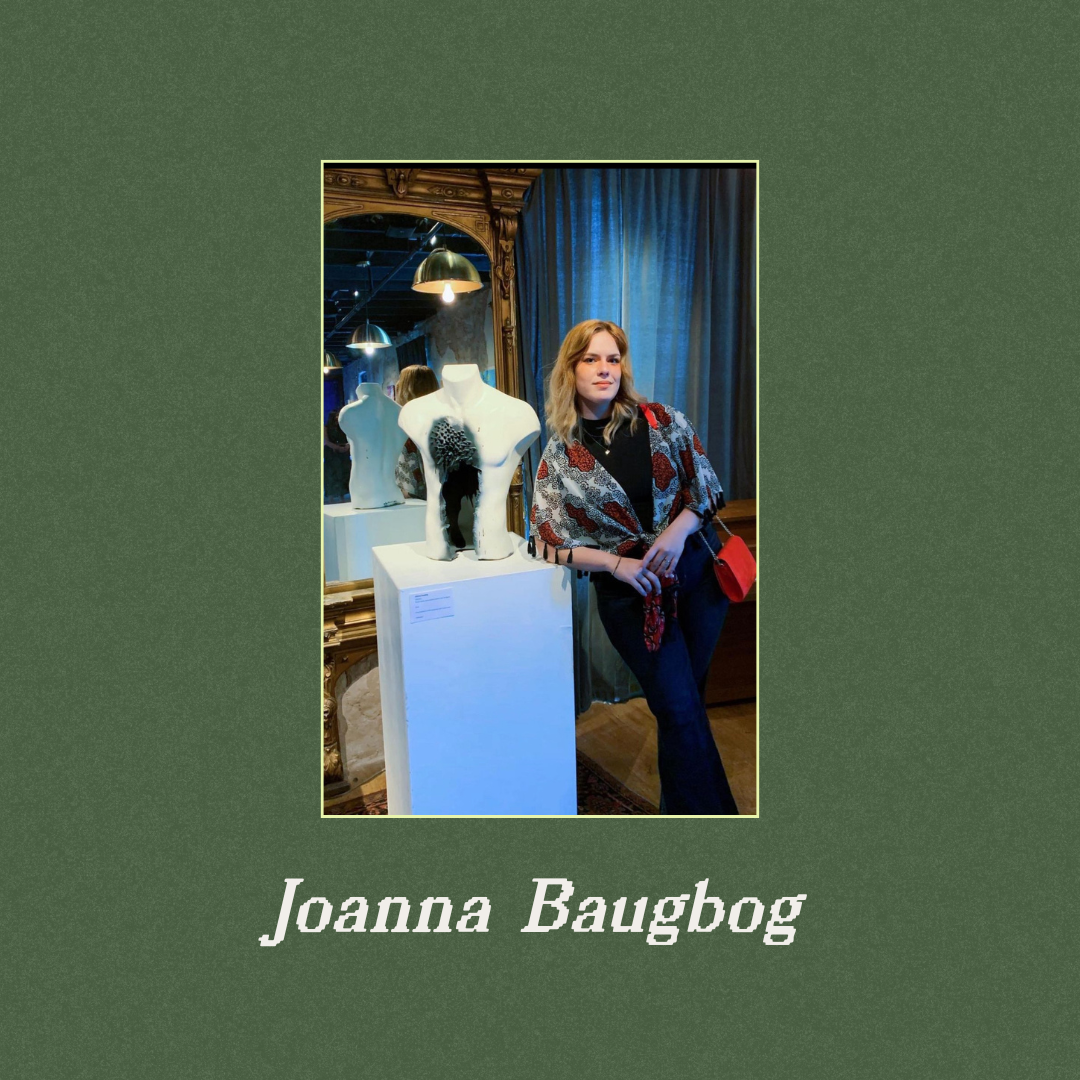
Joanna Baugbog is an Austin based artist with a background in fashion. She currently works in Business Operations in the Solar Industry while she pursues working towards a full time career in Fashion Sustainability and the Supply Chain.
Connect with Joanna on Instagram | LinkedIn | Website
What are you making, building, or tending right now?
I’m currently working towards my dream industry of fashion and sustainability. I’m working on taking courses and getting certified, picking up projects and collaborations, and deepening my experience so that I can finally make the switch down the road. I’m also trying to put my art degree/fashion minor to use and pivoting in a way that will hopefully and eventually intersect with my sustainability goals. I’m currently working on wearable art pieces, but haven’t quite figured out where to source sustainable, affordable materials so that’s my next step with my art.
Which prevailing story or norm are you trying to rewrite or carry
forward, and what new narrative do you hope to weave for the future?
I’d like to rewrite the idea that sustainability can’t be achieved in fast fashion. I’m very passionate about sustainability and environmental responsibility, and I want to acknowledge that several groups rely on fast fashion, specifically in lower income brackets. Thrifting is a fantastic option, but difficult for plus sized or super tall people - the options are much more limited. While it would be nice to be able to pivot away from fast fashion, not everyone can afford luxury, slow fashion labels. I’d like to pursue a career specifically in the supply chain, working alongside fast fashion labels to identify areas where we can adopt better practices without sacrificing cost. Making better choices overall is far more impactful than just doing nothing.
You've moved between very different industries. What has that taught you about making change?
It’s not as scary as people make it out to be. A lot of your skills are actually pretty transferable and you don’t always need to go back for a master’s or PhD to achieve what you want - there’s lots of ways to approach your goals and there are people out there willing to partner with you and offer the resources needed. I know the world of business tends to tell us to get a mentor to guide our steps and show us how to do things - but that’s not always a realistic possibility. Sometimes you need to jump on the internet and do the research and figure out things for yourself. That’s not to say mentors aren’t valuable, just that sometimes you have to work with what you’ve got and not wait around for someone to show you the way.
What drew you to sustainable fashion, and what are you hoping to shift in that space?
I took a textiles class in college and fell in love. Learning about how materials were created was incredibly interesting to me and had I known it was a specific career path I would’ve pursued it with full force. During the pandemic that interest took an even deeper hold as I was trying to research nonpolyester options that were more affordable. I started noticing a lot of greenwashing, irresponsibility with materials and care, and realized that consumer knowledge is necessary for empowering people with their purchases.
What have you had to release or grieve as you've moved toward this new work?
It’s kind of odd, but not much honestly. I was going through a pretty tough time at work and realized one day that I’d rather be doing meaningful work with my 8 hours a day rather than just making a rich person richer at my expense. So I guess if anything, I released myself from sticking in a situation that wasn’t right for me. Sometimes you have to fail in order to move forward.
What's been the most surprising gift of being in transition?
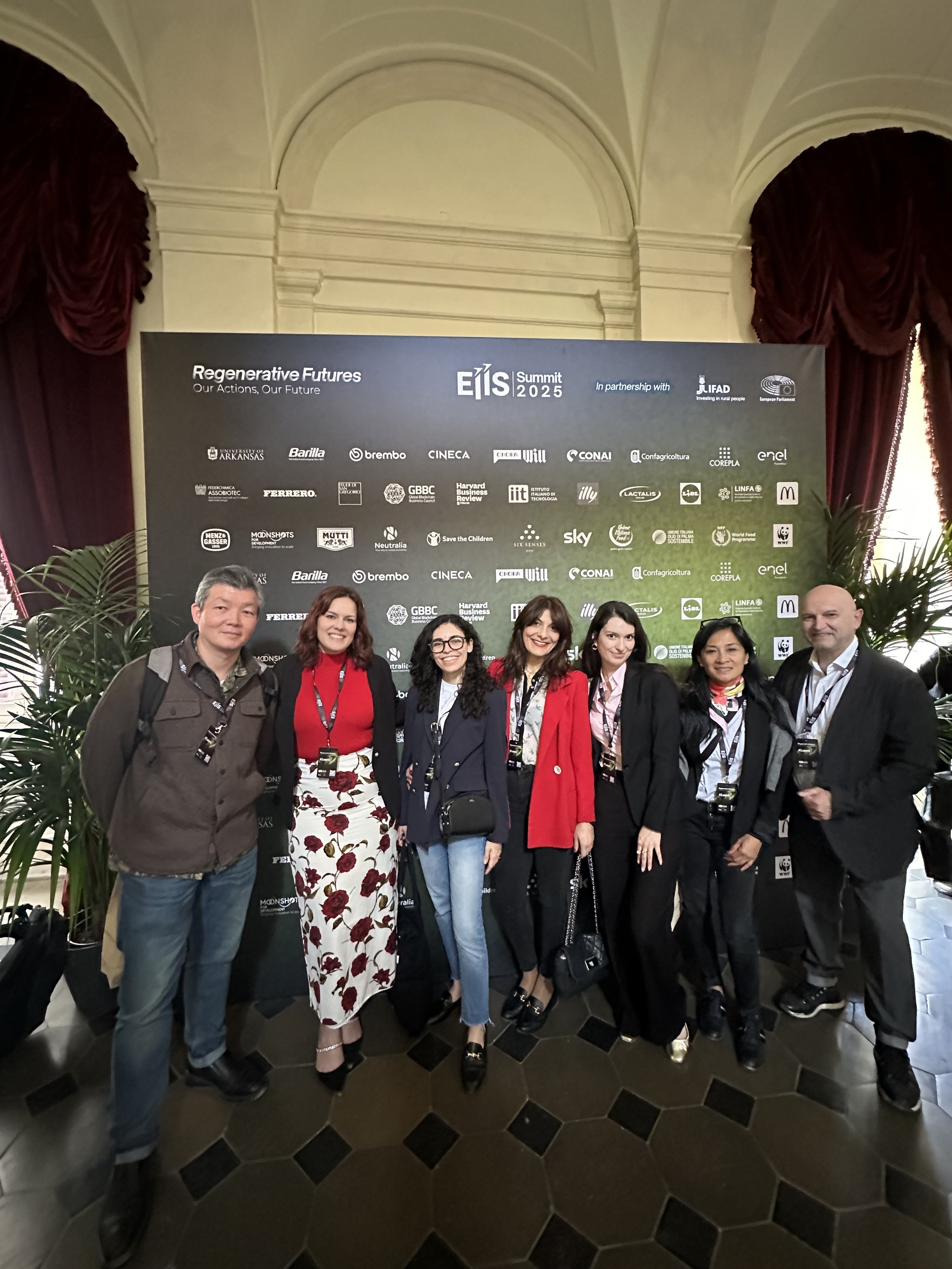
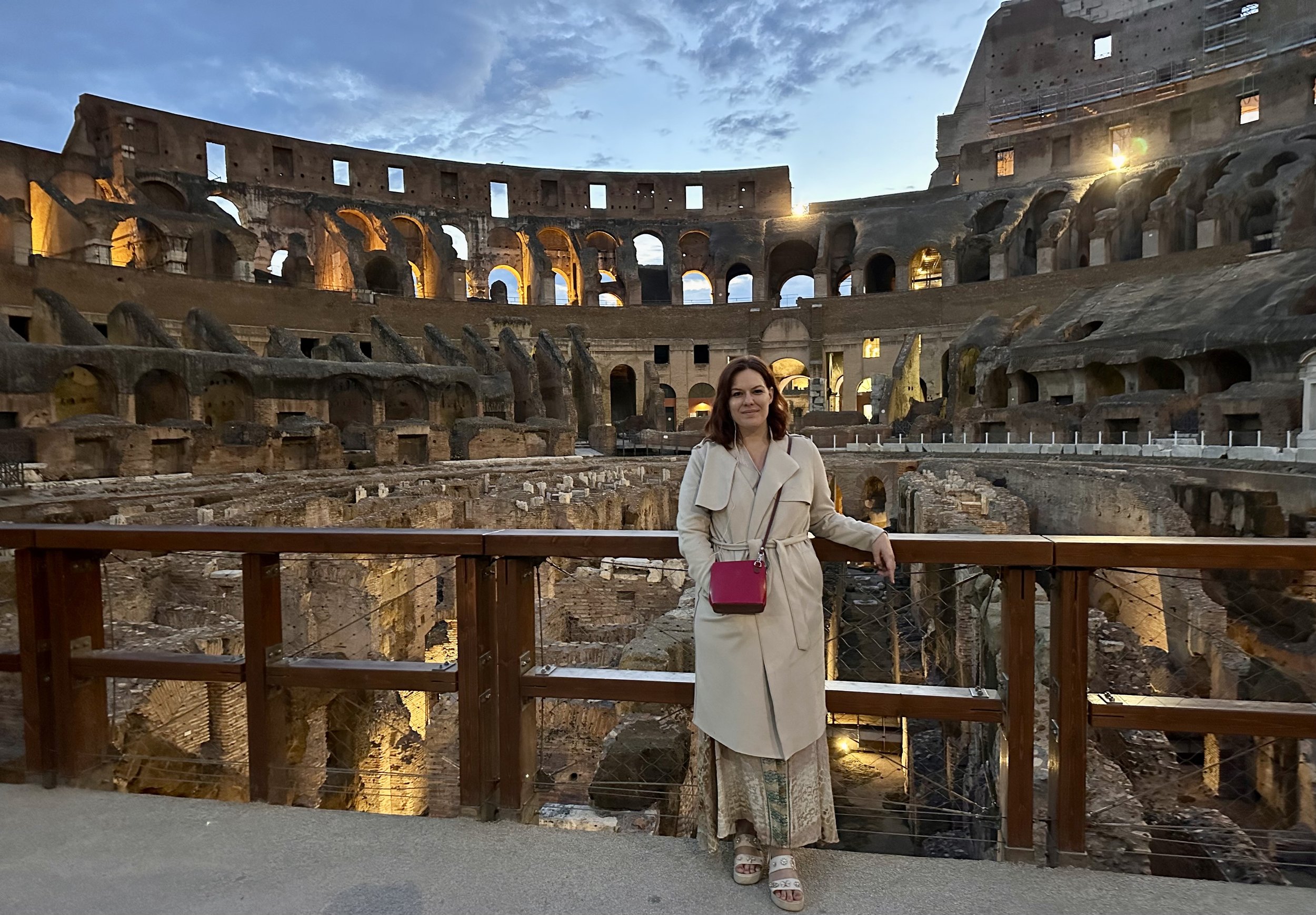
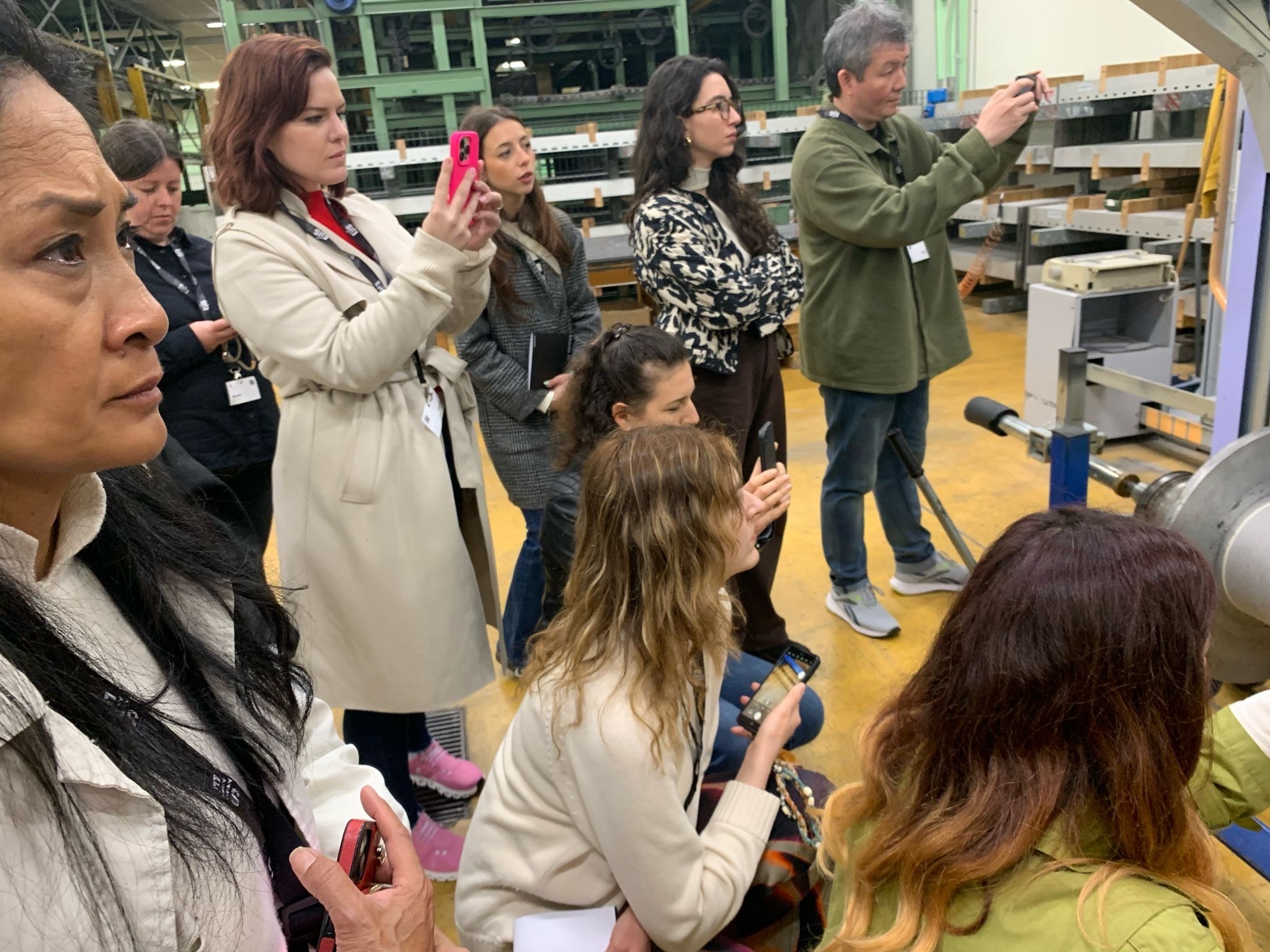
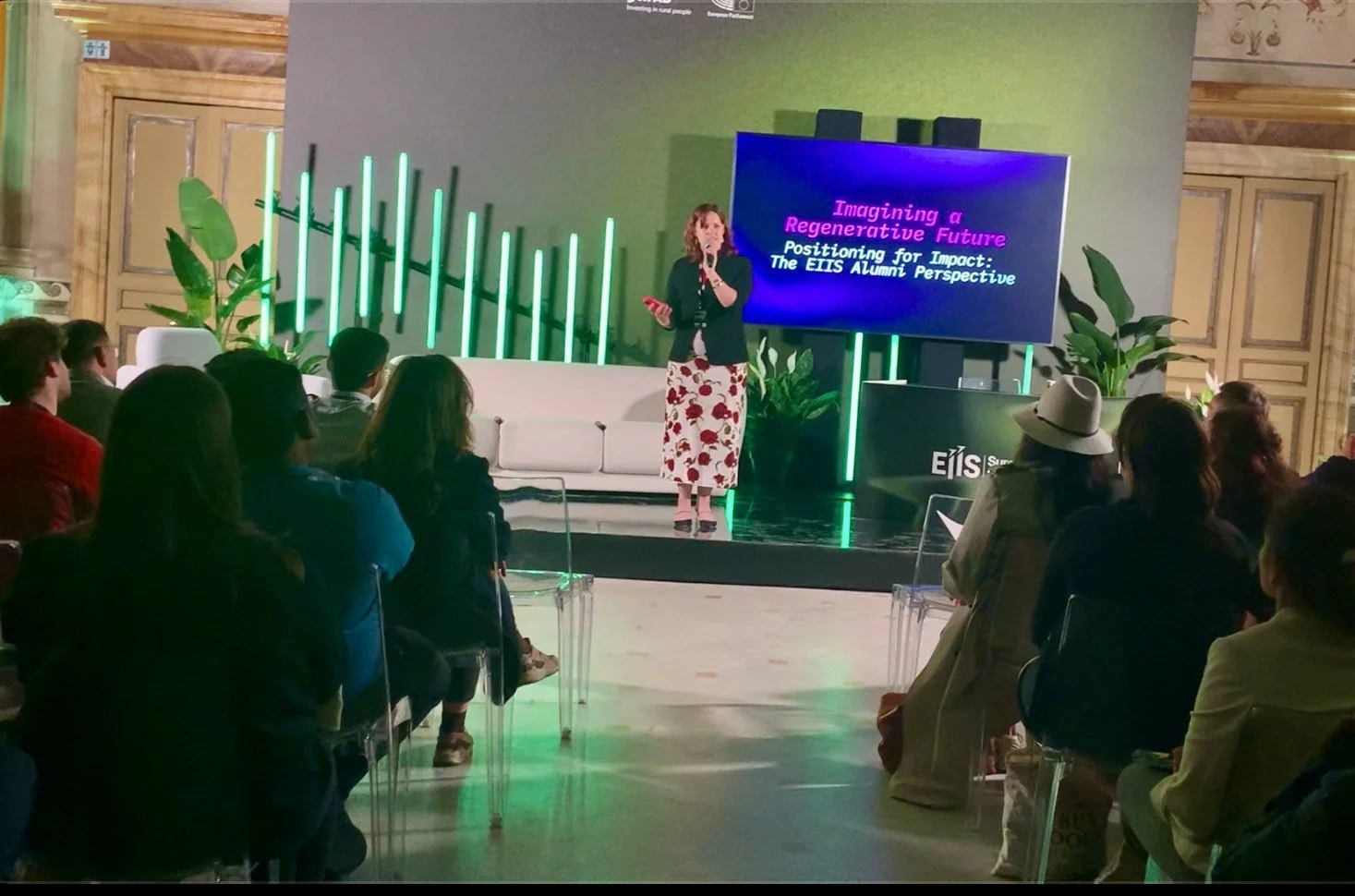
The personal satisfaction that I can do this and that I do have what it takes. I had the opportunity to really put this to practice when I went to Rome for a global sustainability conference. There was a workshop where we had to apply Space tech to every day living for regenerative practices. I obviously know nothing about space tech, but was able to put together a decent pitch and presented it at the conference. My confidence was rebuilt in Rome in one day, and that’s when I knew for a fact that I’m headed towards the right thing and this was meant to be.
You've worked in tech and solar—how does that background shape how you approach fashion differently?
Fashion tends to be a very physical practice; sourcing materials, sketching designs, manufacturing, shipping, selling, etc. There’s a lot of opportunity to wisely use software when it comes to supply chain visibility, streamlining bottlenecks (which is my biggest strength), and overall making things more efficient. My work in solar is incredibly valuable to this practice. We source and construct solar panels for commercial projects so it exposes me to nearly every avenue of business from the operations side. I get firsthand experience on how issues are handled, cost challenges, supply chain, construction, permitting and governance. I think all of this will be incredibly valuable and highly transferable to fashion.
What's one story the fashion industry tells itself that you think needs to change?
That sustainability is expensive. Maybe the upfront cost to change might be a lot, but there’s a long-term result that makes it worth it. Right now, sustainability is limited to luxury - it’s a privilege to shop responsibly. I just think, personally, brands aren’t being creative enough in how they approach their sustainable practices. There’s a lot of incredibly creative solutions that people are adopting and the more we educate our consumers, the more buy-in we could get.
If you could redesign one aspect of how we make or consume clothing, what would it be?
It’s a bit technical, and there’s already work being done with this, but recycling polyester waste into 3D printing material. If we could just transition away from polyester in general, that would be amazing. With clothing that doesn’t sell, it needs to be recycled instead of thrown away. It also means that we need smaller collections and really focus our all on the things we truly believe will be a hit.
If fashion were a form of folklore, what myths are we currently living? What new ones do we need?
I’ve never been a believer in chasing the trends. I like timeless, statement pieces. I think fashion is important and is self expression, and we should never move away from that, but I believe chasing these microtrends for things we wear only once is creating more damage than good. What’s the point of only wearing an outfit once? Be a proud outfit repeater! If I put the time and effort into a really good outfit, it deserves to be repeated multiple times. It’s a representation of who I am, it doesn’t just fade into the ether overnight. I also love the idea of building a legacy wardrobe - unique, timeless masterpieces that I can pass on to someone else when I’m gone - stuff that no one else will really have.
How does being an artist influence the way you think about energy or sustainability work?
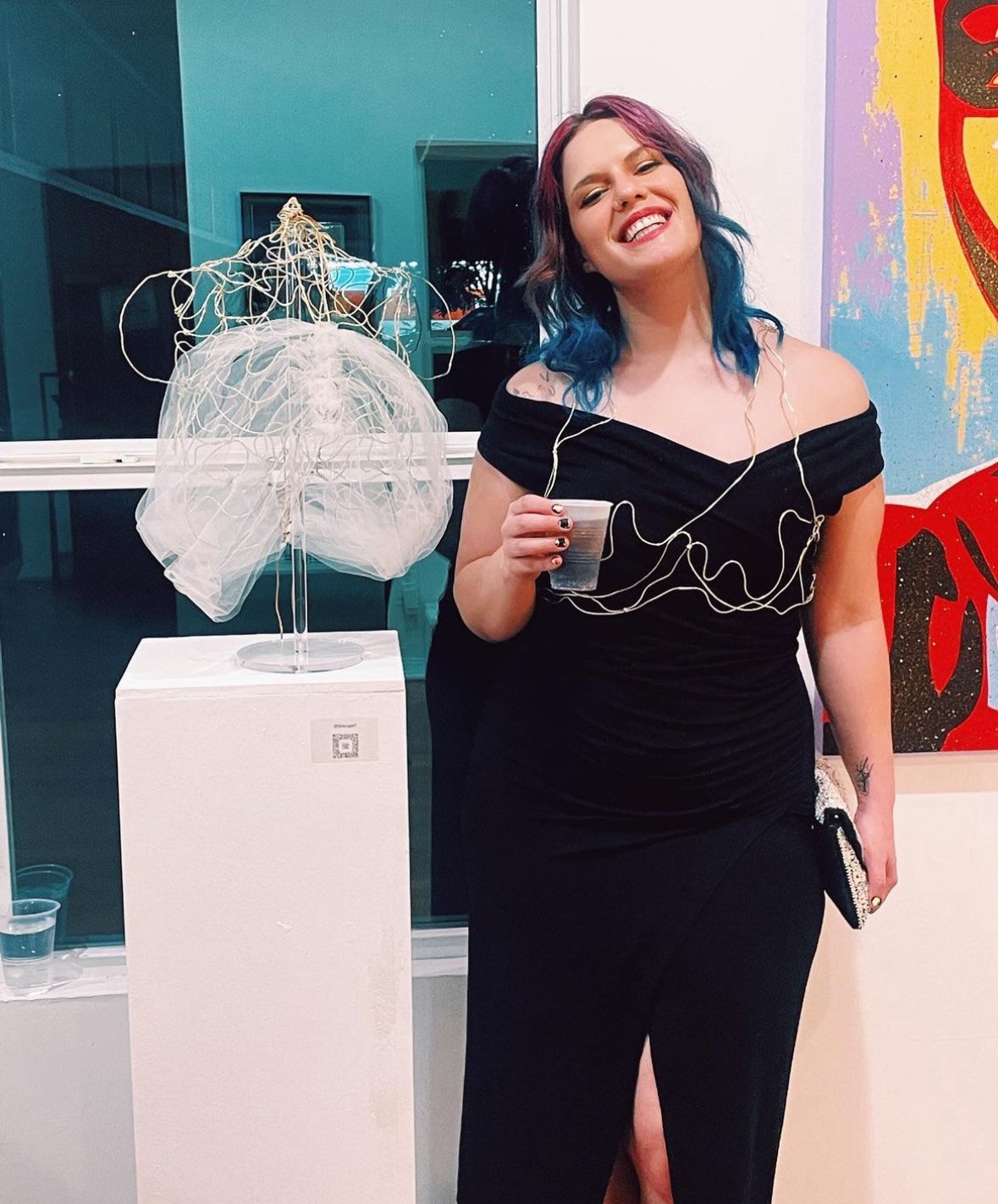
I think about it often. I started out working with damaged goods/materials and repurposing them - typically busted mannequins. With my transition into jewelry and metal working I’m hoping to work towards some better, sustainable practices but it’s been challenging finding the supplies I need locally. I think instead of planning I need to be able to work more abstractly and intuitively. Collect the items and see what they can become, instead of making the design and then looking for the specific items.
How do you navigate the tension between creativity/beauty and environmental impact in fashion?
I try to make conscious shopping choices where I can. I love fashion and building my wardrobe but I try to do it as responsibly and sustainably as I can. It’s something I’m still learning how to do.
What gives you hope when you're working on these big systemic problems?
There’s lots of people working towards this. Seeing countries implementing regulations to help resolve the problem gives me hope that as a whole, this industry is growing and there’s more people out there who want to help be a part of the solution. I’m tired of helplessly watching things get worse, and it feels good to know I’m able to work towards a more positive impact and actually do something about it.